Понимание основ казино первые шаги для новичков

SEO has evolved drastically beyond merely filling material with one keyword. Google is more interested now in user objective, background, and significance. Keyword clustering is one of the most effective SEO approaches available right now in 2025. It increases topical relevance, aids websites rank for a group of linked keywords, and enhances user experience all at once.
Let’s explore what keyword clustering is, how it might affect your SEO results, and how it works precisely.
What is Keyword Clustering?
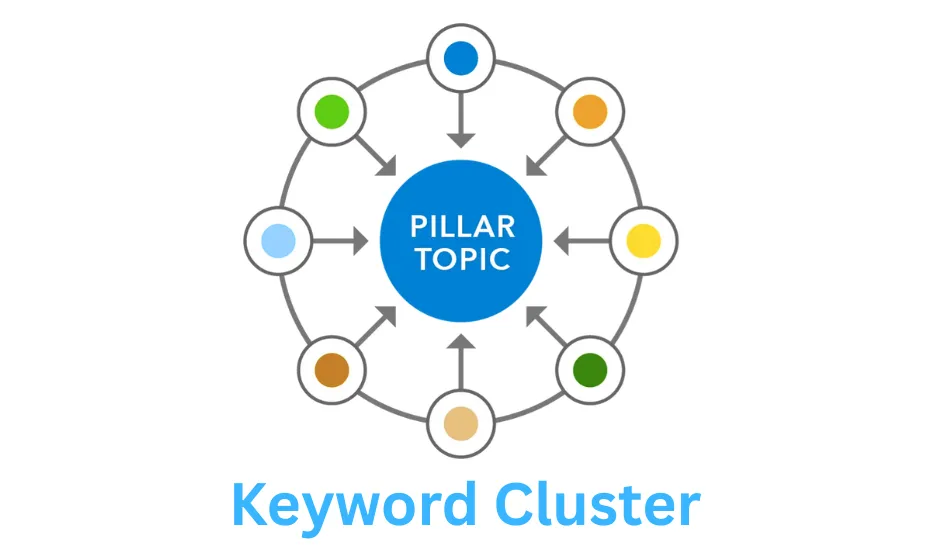
Keyword clustering is the procedure by means of which related or identical keywords are arranged into clusters symbolizing a particular topic or objective.
This approach lets you rank for dozens of related search keywords at once and cover a wide subject rather than focusing one per page.
Should your primary keyword be “SEO services,” for instance, your cluster might include:
- top SEO firms
- Reasonable SEO plans
- SEO agency not far from me
- Expert SEO consultants
Though these phrases vary, they share the same aim: getting SEO help.
Google views your material as more pertinent and authoritative when you develop a single, thorough article or landing page addressing all of these factors.
Benefits of Keyword Clustering for SEO
1 – Improved Relevance
One of the major advantages of keyword grouping is improved thematic relevance.
Naturally integrating many related topics and keywords in material production Google’s algorithms—RankBrain and Hummingbird especially—strive to understand such relationships.
Letting search engines regard your work as trustworthy and comprehensive improves your chances of obtaining better results on several pertinent searches.
2 – Content Management
Keywords let you arrange your content. Your H1, H2, and H3 titles can be created using several keyword groups.
One instance:
- H1: Advantages of keyword clustering in SEO
- H2: Keyword clustering refers to what is this?
- Benefits of Keyword Clustering: H2
- H3: Relevance, backlinks, improved user experience
Still built for search engine optimization, this method assures your content flows naturally. It also stops keyword cannibalization, which is many pages competing for the same term.
3. Upgrade of user experience
Readers linger longer when they discover all they require on one page. Keyword clustering accomplishes this by resolving several user queries in a single post hence lowering bounce rates.
You provide thorough, in-depth worth exactly where visitors are rather than expecting them to move among pages.
The result is this: Better SEO performance, greater engagement, and longer dwell time.
4 – Create more backlinks
Good, thorough information attracts organic backlinks. Other bloggers, marketers, and websites are more inclined to cite it as a credible source when your page tackles a topic from every side utilizing keyword clusters.
Your domain authority rises along with the backlinks you acquire, hence enhancing the visibility of your future content.
How to Do Keyword Clustering
Let’s go over the keyword clustering approach stage by stage now that you see its value.
1. Commencement of rigorous keyword research
Keyword research starts your process. Using resources such Ahrefs, SEMrush, Google Keyword Planner, or Uber suggest, create a long list of keywords relevant to your subject.
Include variances with long-tail, short-tail, and even question-based keywords like how to use keyword clusters or what is keyword clustering.
One here tries to gather all the terms your target audience could look for.
2. Arrange your keywords into categories.
Sort your list according to semantic similarity and search intent.
Examples of clusters could appear like this:
Information Intent: what keywords clustering is and how it works
Best keyword clustering tools; pricing of keyword clustering software
Navigational Intent: SEMrush keyword cluster tool; Surfer SEO keyword clustering.
Organizing keywords this way will enable you to determine which cluster needs its own material and which ones might be combined.
3. enhance and create material.
Plan material targeted directly at your clusters starting now.
Every page should center on one primary keyword cluster; it is not merely one word. Use the primary term in your H1, URL, and title while organically including related cluster keywords throughout the body.
If, say, your main term is keyword clustering, you could also include phrases like how to do keyword clustering, keyword clustering for SEO, and advantages of keyword clusters.
By letting you rank for several keywords simultaneously, this approach increases your search exposure.

4. Watch your keywords’ performance.
Watch the performance of each cluster after your content goes live.
Tools include Google Search Console, Ahrefs Rank, and SERP Watcher. Tracker will tell you which keywords bring in views and clicks.
Should one cluster exhibit better performance than others, you might grow on that topic or generate further supporting documentation.
If you regularly update your keyword clusters, your plan follows search trends.
Keyword Clustering Tools
Many instruments help to automate and simplify the clustering process. Here are some of the greatest ones:
- Surfer SEO groups relevant keywords depending on SERP resemblance automatically.
- Ahrefs Keyword Explorer: Lets you find variations and related keywords.
- Great for grouping, tagging, and exporting clusters: SEMrush Keyword Manager
- Keyword Insights: Artificial intelligence driven intention and topic-based keyword clustering.
- A quick method for finding related keyword patterns and possibilities is provided by Cluster AI.
These instruments help to streamline your SEO process, increase accuracy, and save time.
Final Thoughts
Keyword clustering is a calculated technique that matches very well how contemporary search engines operate, not only another SEO trick.
Grouping your keywords enables you to produce material search-friendly, user-focused, and more complete. It helps you rank for many phrases, draw more organic traffic, and establish significant topical authority in your field.
Start using keyword clustering right now if you have been having difficulties to climb Google’s rankings.
It’s the basis of intelligent content marketing and the secret to controlling your target keywords in 2025 and beyond.